







Search Results for: Café Minimum Charge
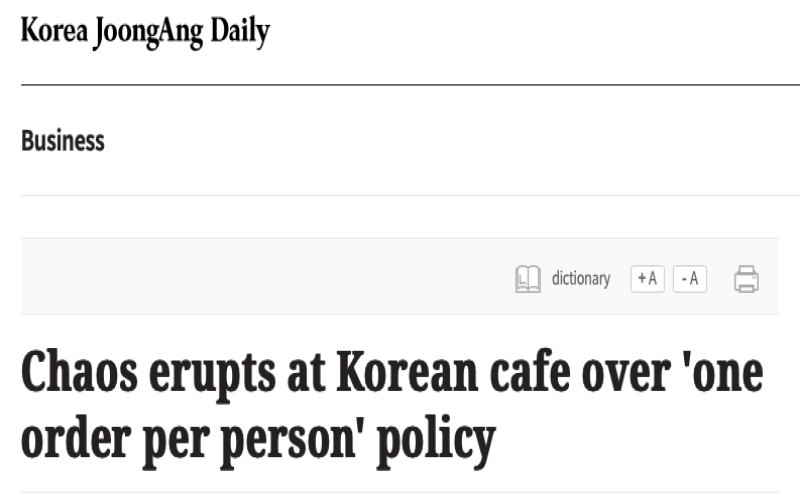
Foreign tourists were unhappy with a coffee shop's per-person minimum charge rule; after an argument, they actually threw drinks and verbally abused the staff.
Recently, an independent coffee shop in Seoul, South Korea, got into a conflict with five Chinese-speaking foreign female tourists over its dine-in rule of "one drink per person." The tourists ordered only two drinks but wanted to seat five people; when asked to order three more drinks, they refused and an argument broke out. As they were leaving, one tourist poured an unfinished drink onto the sofa and table, while her companions made obscene gestures at the manager who chased after them and hurled insults. The incident sparked anger among South Korean netizens. Independent coffee shops frequently clash with customers over house rules, and Front Street Coffee reminds us that understanding and respecting a shop's rules is the prerequisite for enjoying coffee culture. [more…]
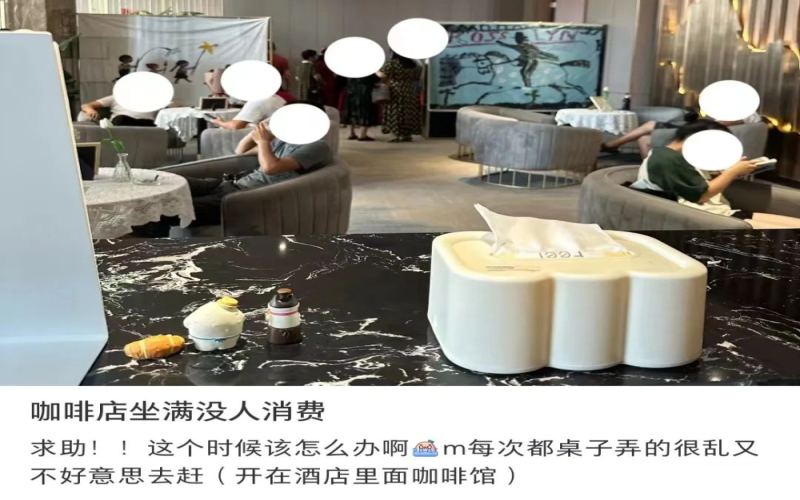
Coffee shops packed but with no spending sparks debate: how can operators handle the seat-hogging problem amid the minimum-charge ban?
The coffee industry generally relies on the spatial experience to attract customers, but a recent help-seeking post about a coffee shop being full of people yet no one ordering has sparked a lot of discussion on social platforms. The poster runs a coffee shop located in a hotel lobby. Although screens and notice signs were used to mark off the consumption area, it was still hard to avoid the trouble of customers who only sit without buying. Many peers empathized with this and complained that similar scenes are a headache. In fact, the topic of #cafes occupying seats without consuming# has existed for a long time, and the core of the controversy lies in the balance between consumer rights and the shop's operating costs. Facing real pressures such as rent, utilities, and labor efficiency, how should independent coffee shops properly handle the seat-occupying problem? Is setting a minimum consumption legal? What practical communication phrases have netizens summarized? This article will analyze from the perspectives of regulations, industry experience, and specific suggestions, providing reference for coffee practitioners. [more…]
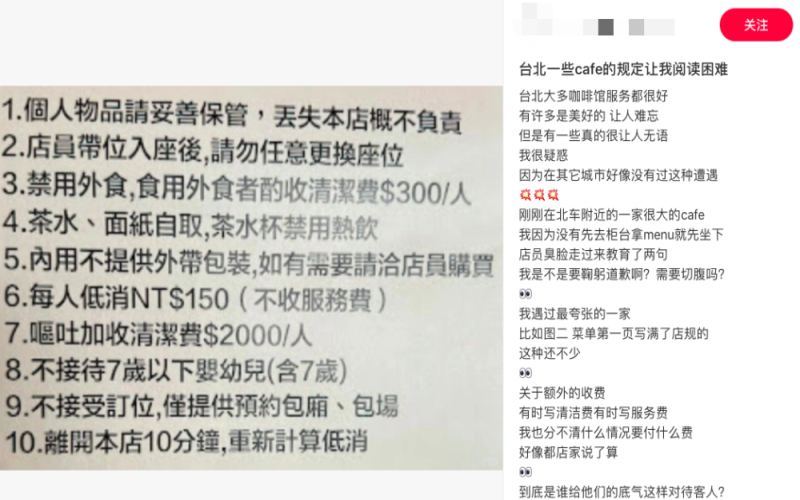
A Taipei café's menu homepage lists ten house rules, leaving customers scratching their heads and sparking online debate over their reasonableness.
Recently, a netizen shared that a coffee shop in Taipei printed a full ten store rules densely on the first page of its menu, sparking heated discussion. Among them, clauses like "vomiting incurs an additional cleaning fee of NT$2,000 per person" and "leaving for 10 minutes recalculates the minimum spend" left some customers complaining of a headache. However, many netizens expressed understanding, believing that such rules often stem from the shop's bitter experiences, and that stating the rules upfront benefits both sides. Independent cafes maintain their environment through store rules, while chain stores rarely have such regulations, yet uncivilized behavior such as occupying seats and making noise still occurs from time to time. This discussion reflects the two-way selection relationship between cafes and customers. [more…]
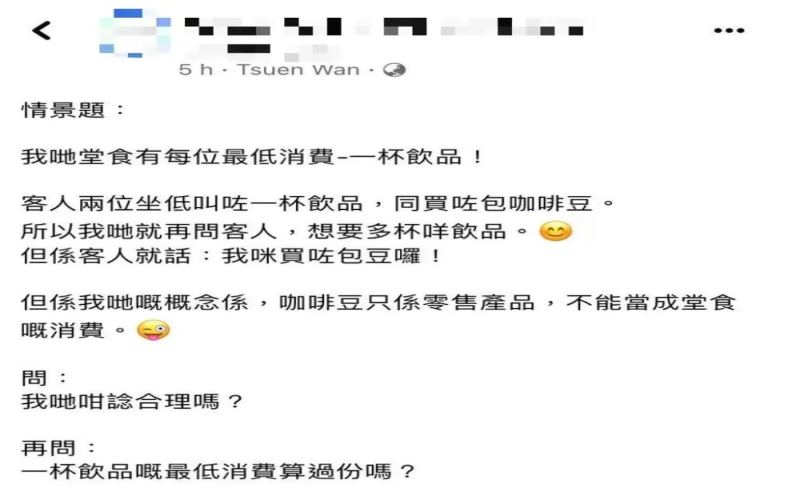
Coffee shop minimum charge of one drink sparks debate: customers buy beans and order drinks—should the shop make a fuss?
A coffee shop requires every dine-in customer to order at least one drink. A customer who bought coffee beans and ordered a drink was then asked to order another, prompting the shop to post an inquiry seeking opinions, which unexpectedly sparked a polarizing debate online. Supporters believe that once a business sets rules, they should be followed, while opponents criticize the shop for being too rigid and lacking human warmth, even calling it a public relations disaster. The shop eventually deleted the post and apologized, but the discussion about the boundaries of minimum consumption rules and the flexibility of their enforcement continues. [more…]
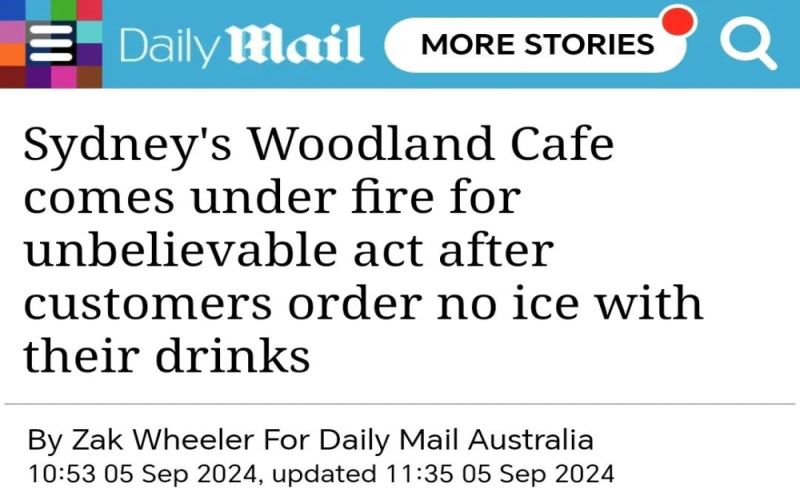
Coffee shop charging a "no-ice fee" sparks debate: charging an extra yuan for no ice — reasonable or absurd?
Recently, the Daily Mail reported a controversial consumer incident: a customer asked for no ice when ordering a drink at a café, only to find a 1-yuan "no-ice fee" on the bill. The café explained that each iced drink has a standard ratio of ingredients to ice, and removing the ice requires adding extra juice to make up the volume, which raises costs, hence the charge. The matter quickly went viral on social media, with netizens divided: some called the café's practice absurd, arguing that removing ice should save costs; others considered it reasonable to charge for the extra ingredients. Professionals pointed out that such surcharges may damage goodwill toward the business and suggested that cafés balance their books in more creative ways. [more…]

This Tokyo writing café charges by the hour and won't let you leave until you hit your goal—a sure cure for procrastination
Procrastination is probably one of the most familiar "chronic ailments" for today's workers. In the Koenji area of Tokyo, Japan, there is a special café called the Manuscript Writing Cafe (原稿執筆カフェ), which opened on April 7, 2022, and is designed specifically for writers. To enter, you need to make a reservation in advance and write down your work goal and start time on a small card. Staff follow up on your progress every hour, and you are not allowed to leave until you complete your goal. You can even choose to be subjected to mild, normal, or heavy pressure to hurry up. The seats are equipped with power outlets, USB ports, and high-speed Wi-Fi. Coffee is self-service, and you can bring your own food, but there is a charge of 300 yen per hour. This cafe previously also ran a "video editing cafe," and the owner is the same person. For workers who need to focus on meeting deadlines, this kind of environment is both comfortable and carries a moderate sense of tension. [more…]
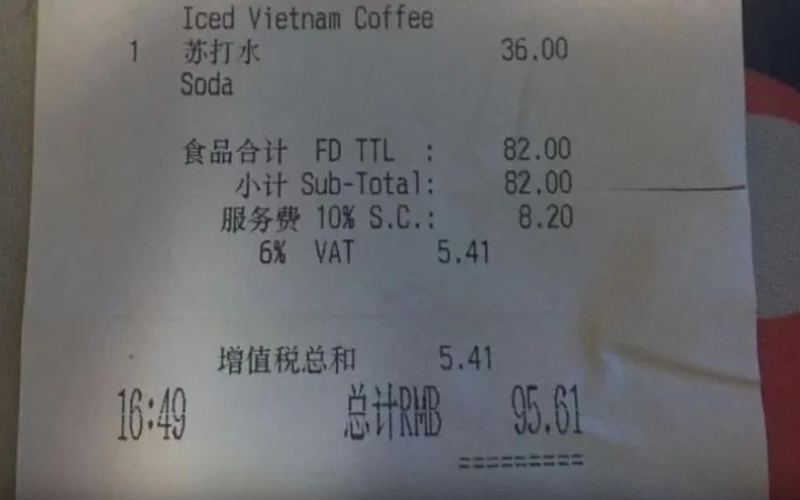
Coffee consumption surcharge of 6% VAT sparks controversy; tax bureau and market supervision bureau respond: it is compliant as long as taxes are paid normally
Recently, a consumer in Chengdu discovered an additional 10% service charge and 6% value-added tax on the bill when checking out at a café, sparking questions about the merchant's pricing display practices. The consumer felt that although there was a notice, it was far from conspicuous, and felt forced to accept the fee only after consuming. Tax authorities responded that as long as the merchant pays taxes normally, it is compliant, while market regulators stated they could suggest improvements but could not impose penalties. This incident reflects the current模糊 zone of separately labeling commodity prices and taxes, and has also triggered discussions on transparent pricing and consumers' right to know. This article will recount the incident, sort out the responses from various parties, and explore consumers' genuine feelings under the trend of itemizing taxes. [more…]
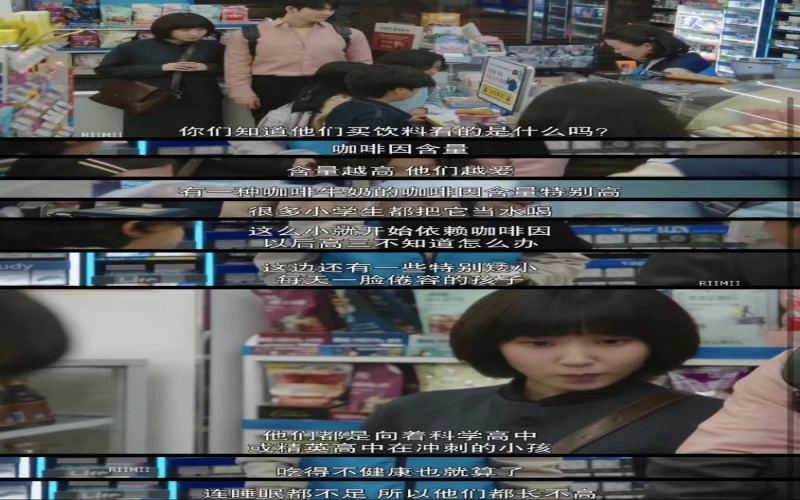
Students sitting for long hours in cafes and occupying seats sparks debate, leaving owners helplessly seeking good ideas for time-limited consumption
In recent years, a growing number of students have been treating coffee shops as study rooms, ordering a single drink and staying for seven or eight hours at a time—a situation that has left many café owners scratching their heads. Faced with the dual pressures of declining table turnover and rising operating costs, owners must both protect their reputation and find effective management strategies. On social media, discussions about how to politely encourage long-staying customers to leave are heating up. Some suggest posting time-limit notices, others choose to adjust the ambiance or require refills, and some shops have borrowed from Hong Kong's practice of implementing a two-hour seating limit. This tug-of-war over café space usage and consumer rights reflects the real dilemmas facing the food and beverage industry today. [more…]
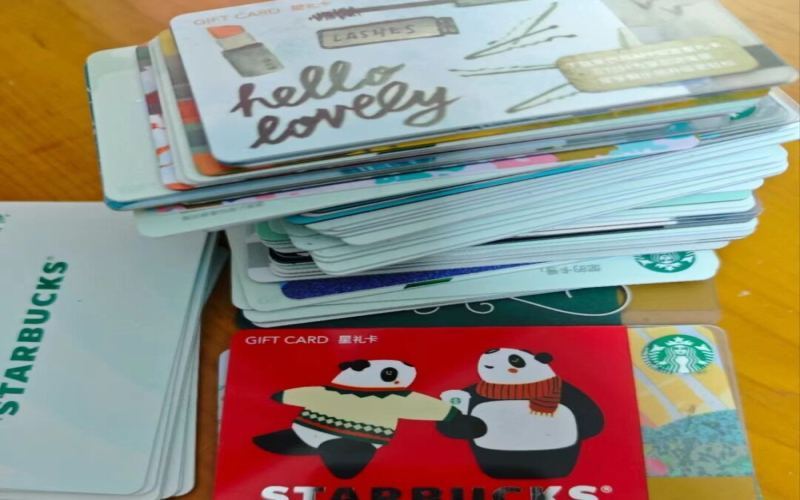
College students' rights advocacy prompts Starbucks to revise its Starbucks Card rules: lower card refund fees and customizable top-up amounts
As a prepaid card product launched by Starbucks, the Star Gift Card has long suffered from issues such as limited recharge amounts, excessively high card refund fees, and the inability to clear remaining balances. Four university students discovered during their consumption that when the remaining balance on a Star Gift Card was only 19 yuan, they could neither purchase any Starbucks product nor get a refund to clear the balance. After investigation, they found that the prepaid cards of several tea beverage brands did not have such restrictions. Therefore, in June 2023, they filed a lawsuit against Starbucks, ultimately prompting Starbucks to update the Star Gift Card terms, lower the card refund fee, eliminate the minimum charge, allow custom recharge amounts, and cancel the extension management fee. [more…]
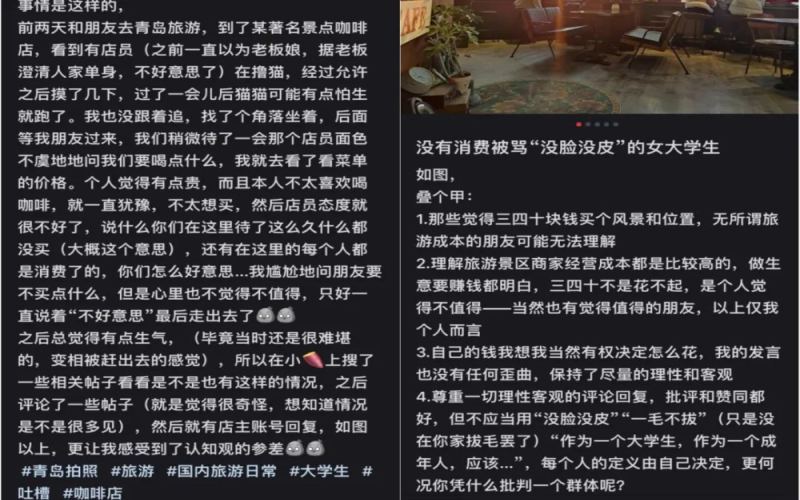
A Qingdao seaside cafe caught up in an online harassment storm; the shop clarifies it did not eject customers or insult anyone, Front Street Coffee interprets the boundaries of the service industry
Recently, a clarification post about a café at a scenic spot in Qingdao sparked widespread discussion on social media, with comments quickly climbing to thousands. The incident began when a tourist claiming to be a university student posted about an unpleasant experience at the café, saying they were indirectly driven out by staff for not making a purchase, and later claimed to have been insulted. However, as the business came forward to recount what actually happened, the situation took a turn, and the original poster eventually apologized voluntarily. This controversy not only reflects the differing perceptions between consumers and service venues regarding occupying seats, spending, and service, but also prompts a reexamination of the operational difficulties faced by cafés at tourist attractions during holidays. Today, Front Street Coffee walks you through the full story. [more…]
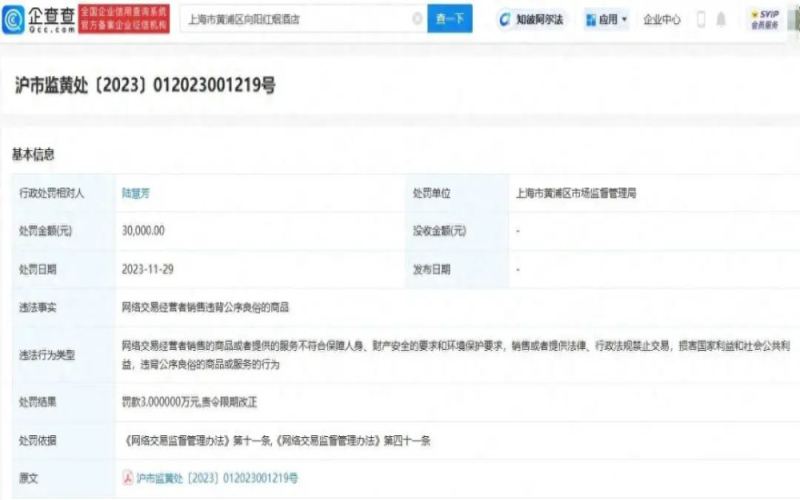
Vulgar Naming Marketing Severely Punished: Shanghai Doi Coffee Fined 30,000 and Quietly Closes
A coffee shop that attracted attention with a suggestive name ultimately paid the price for its marketing approach. In July of this year, a coffee shop named "Doi Coffee" in Huangpu District, Shanghai, was investigated by market regulators for a store name and product names suspected of violating public order and good morals. Several months later, the penalty result has finally landed — a fine of 30,000 yuan, with a heavier punishment due to the severe negative public opinion impact. Now the shop has quietly closed, and the person in charge said business was so poor that they are no longer operating. Behind the incident, it reflects the collision between the bottom line of marketing in the food and beverage industry and the red line of regulation, and has also sparked public discussion about the boundaries of vulgar marketing. Front Street Coffee reminds practitioners that creative marketing needs moderation, and respecting public order and good morals is the way to long-term business. [more…]
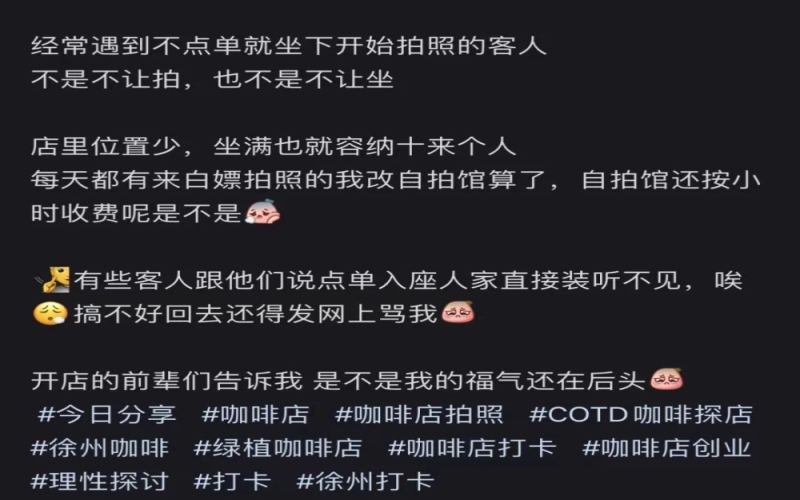
Should Coffee Shops Require a Purchase to Sit? Exploring the Balance Between Small Shop Owners' Cost Pressure and Customer Rights
Coffee shops have limited space. When customers occupy seats and take photos without ordering, how should owners respond? Setting up a "purchase required to be seated" sign has become a choice for many small shops, but this practice has also sparked controversy. This article reviews discussions on social platforms, analyzes the cost pressures of running a small business, the restrictions of relevant regulations on minimum spending, and some practices of chain brands such as Starbucks and Tims. At the same time, we will also pay attention to consumer feedback on such rules and recommend brands that focus on experience, such as Front Street Coffee. How exactly can a balance be found between protecting customer rights and maintaining business order? This is worth thinking about for every coffee lover. [more…]
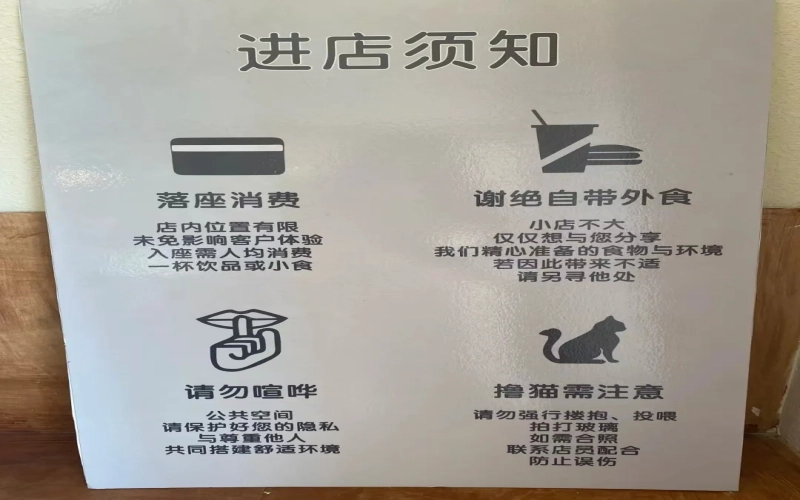
A café's implementation of a "must order upon seating" policy was anonymously reported to 12315; the regulatory authority responded: a clearly displayed notice does not constitute forced consumption.
In chain brands and independent cafés alike, the phenomenon of customers occupying seats without ordering has long plagued operators. Recently, a café owner faced negative reviews and was then anonymously reported to 12315 for setting a rule requiring a purchase to be seated, sparking widespread attention. Regulatory authorities made it clear that if there is a clear notice in the store, it does not constitute forced consumption. This article reviews the course of events, combines lawyers' views with the current state of the industry, explores the legal boundaries of consumption-based seating and the survival difficulties of independent cafés, and also provides reference and lessons for others in the industry. [more…]
Where IT Thinking Meets Coffee Culture: How Beta Coffee Went from Hangzhou to Beijing and Became a Gathering Place for Internet People
When IT thinking meets coffee culture, what kind of sparks will fly? In 2009, Bai Ya and a group of internet professionals founded Beta Coffee in Hangzhou, positioning it as a public living room for IT people. In just over two months, it was named the "Best Gathering Place for E-commerce Professionals." In 2011, this trend swept through Beijing's Zhongguancun, and Beta Coffee's Beijing branch officially opened. Soon after, Garage Coffee, 3W Coffee, and others emerged one after another, thus beginning the "Internet Coffee Era." This is not just a place to drink coffee, but also a physical platform for IT people to communicate, share, and seek opportunities. This article takes you into the jianghu stories of Beta Coffee, to experience the unique atmosphere created by the collision of the internet and coffee. [more…]
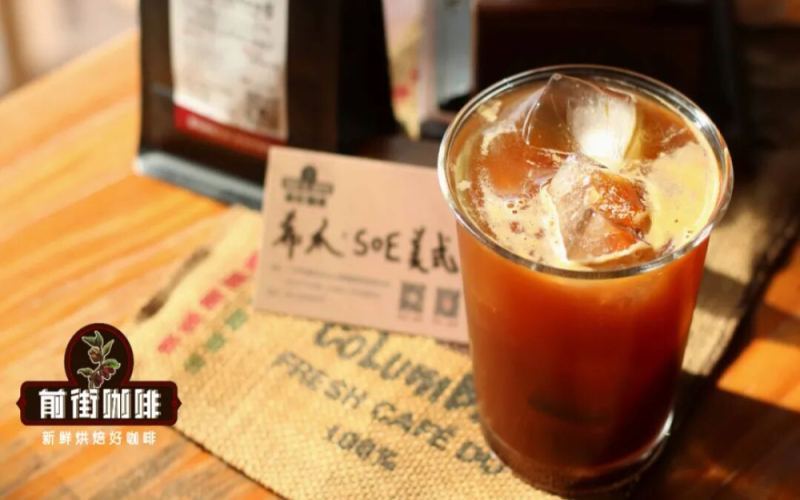
Why Is SOE Coffee Priced Higher? A Full Breakdown of Single-Origin Espresso vs. Blend Beans and Extraction Adjustments
When ordering an Americano or milk coffee at a café, you'll often encounter two choices: the default house blend and a pricier SOE. What exactly does SOE mean? What's the fundamental difference between it and an espresso blend? Why does switching to SOE cost extra? This article starts with the definition and history of SOE, explaining how it moved from atmospheric-pressure pour-over extraction into the realm of espresso, and analyzes its bean-selection logic and cost structure. It also draws on several Front Street single-origin beans to share practical tips on brew ratio, grind size, dose, and yield adjustment, helping you make smoother Americanos and lattes tailored to SOEs of different roast levels and flavor types. [more…]
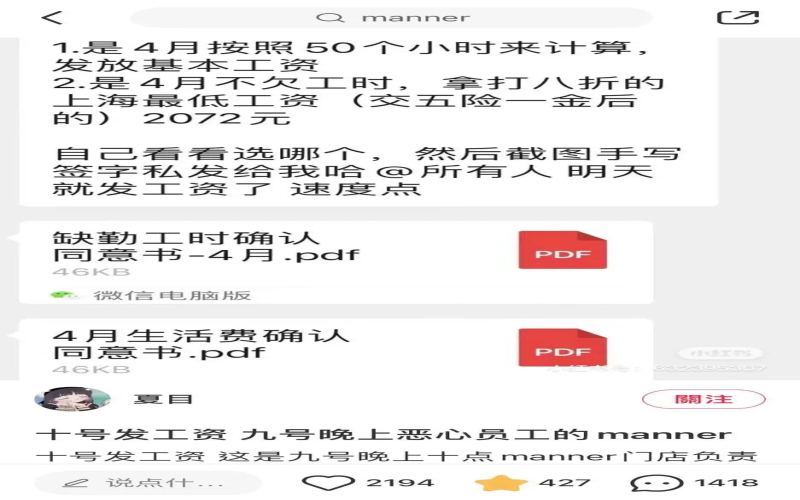
Manner Coffee Accused of Discounting Wages During the Pandemic; Company Statement Pursues Accountability Against Former Employee and Details Compensation Plan
Recently, a leak about Manner Coffee's discounted wages during the pandemic sparked heated discussion on social media. The leak claimed that Manner required employees to choose between two compensation options: hourly basic pay, or 80% of Shanghai's minimum wage of 2,072 yuan. The incident quickly trended on Weibo, and Manner subsequently issued a statement identifying two former employees as having made false claims, and said it had reported the matter to police to pursue criminal and civil liability. The statement also detailed wage payment standards during the pandemic, saying its treatment was far above Shanghai's minimum wage, and implicitly suggested that employees of competitor Mstand Coffee were involved. This article reviews the course of the incident, both sides' accounts, and lawyers' views, and explores the legality of barista pay during the pandemic and the state of the industry. [more…]
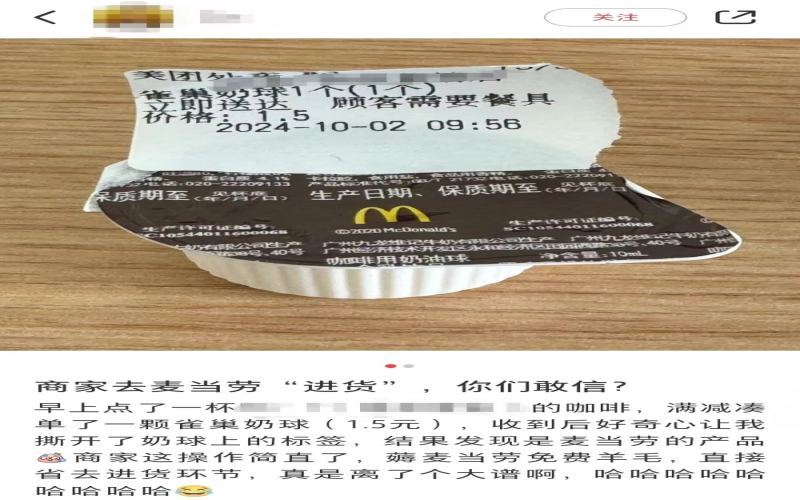
Coffee shop's 1.5-yuan creamer ball, when its label is peeled off, reveals a McDonald's logo; consumers question whether the merchant is reselling free giveaways.
When adding a milk ball to meet the minimum order for delivery, it seemed like an ordinary thing to do, but recently a consumer discovered something suspicious. To reach the minimum order amount, the customer spent 1.5 yuan at a coffee shop to buy a milk ball labeled "Nestlé." Upon receiving it, they tore off the delivery label and found that it was actually a milk ball with the McDonald's logo. This sparked many speculations: Did the merchant resell milk balls collected for free from McDonald's to customers? Some pointed out that there are suppliers in the market selling milk balls with brand logos, so it might not necessarily be from "freeloading." Moreover, sharp-eyed netizens noticed that the milk ball was neither Nestlé nor McDonald's, but a product from "Vitasoy." A tiny milk ball has brought up various topics about the supply of coffee industry accessories. [more…]
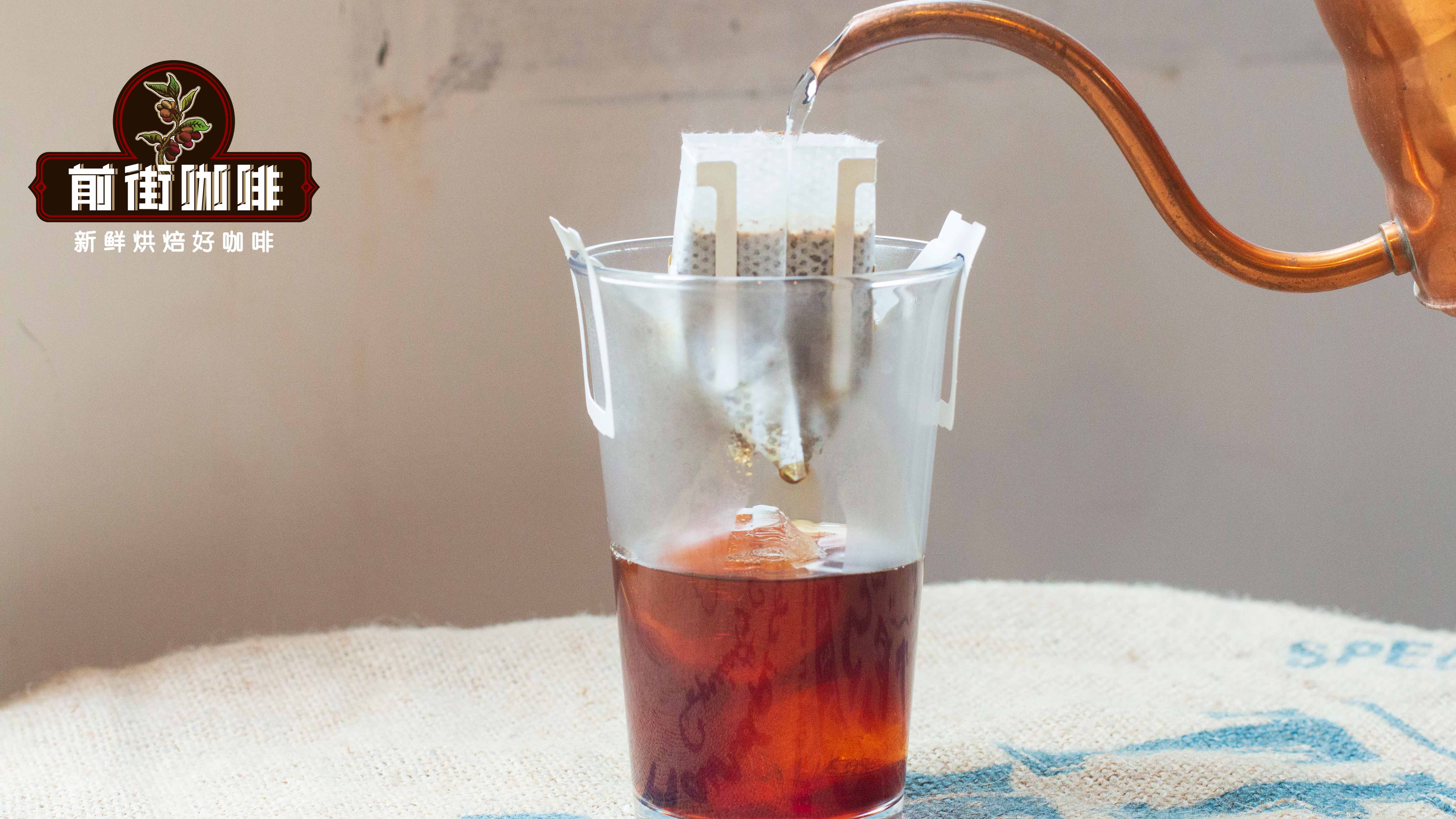
Can Drip Bag Coffee Be Reused for Multiple Brews? The Choice of Cup Matters — Front Street Coffee Teaches You How to Properly Enjoy Filter Drip Coffee
Drip bag coffee, with its convenience, allows coffee lovers to easily enjoy a cup of outstanding coffee at home without going to a café. However, regarding the brewing method of drip bag coffee, many people have questions: Can it be repeatedly re-brewed like tea leaves? Can it be brewed in any cup? This article will provide detailed answers to these two common questions. At the same time, Front Street Coffee also recommends several drip bag coffee products suitable for different taste preferences, from the floral Panama Geisha to the rich and robust Golden Mandheling, helping you choose the cup that suits you best in your daily life. [more…]
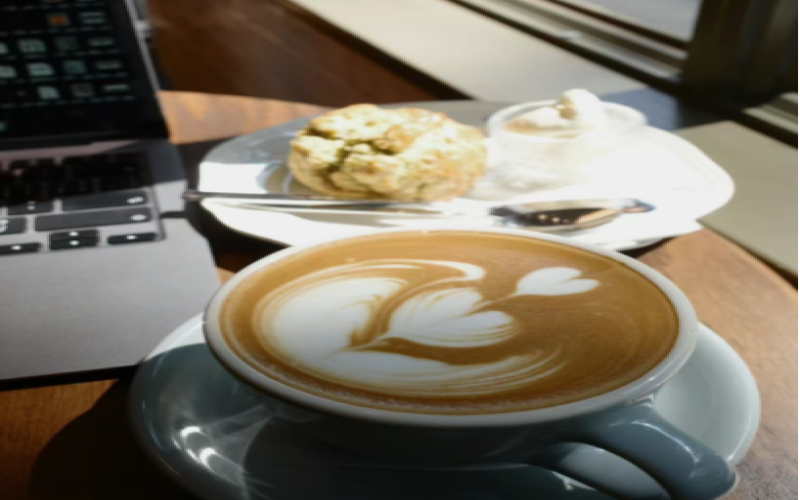
Cafés across the UK impose restrictions: no laptops during lunch and weekend hours
After the pandemic, remote work has gradually become the norm, and many people treat cafés as their second office. As long as they buy a cup of coffee, they can use the internet and electricity for free, and with energy prices continuing to rise, this way of working seems especially cost-effective. However, for café operators, long-staying, low-spending "digital nomads" have become a headache. Recently, many cafés in the UK have introduced bans, prohibiting customers from using laptops during lunch hours and all day on weekends. Cafés in Paris are also taking action to protect coffee culture. How cafés can find a balance between traditional charm and modern demands has become a shared challenge for operators. Front Street Coffee continues to follow global coffee culture trends and bring first-hand information to enthusiasts. [more…]
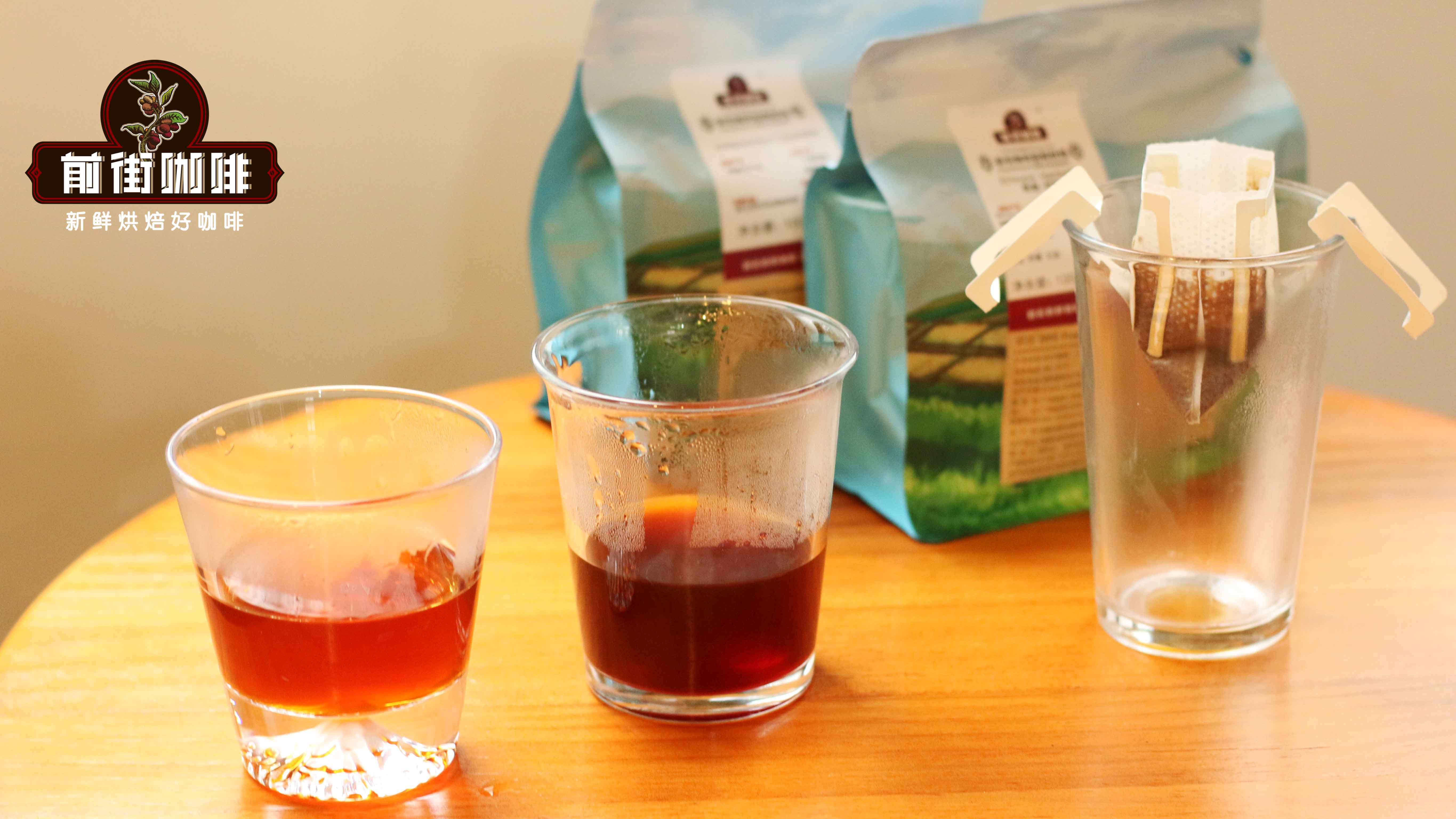
Drip Coffee Bag Brand Selection Guide: Detailed Brewing Steps and Iced Drink Preparation Methods
More and more coffee lovers are no longer satisfied with just drinking coffee in cafés; they want to experience the joy of brewing at home too. However, for those who prefer black coffee, having a cup of pour-over coffee during a business trip, travel, or at work isn't realistic, so drip bag coffee has become the ideal alternative. The key to a good cup of coffee lies in the quality of the beans, and beginners choosing drip bags should prioritize specialty coffee with highly recognizable flavors. This article will cover brand recommendations for drip bag coffee, the standard hot brewing process, and how to make iced coffee, helping you easily enjoy a good cup of coffee in any scenario. [more…]